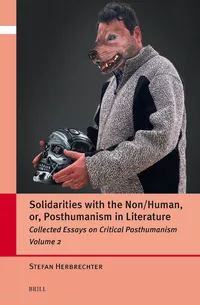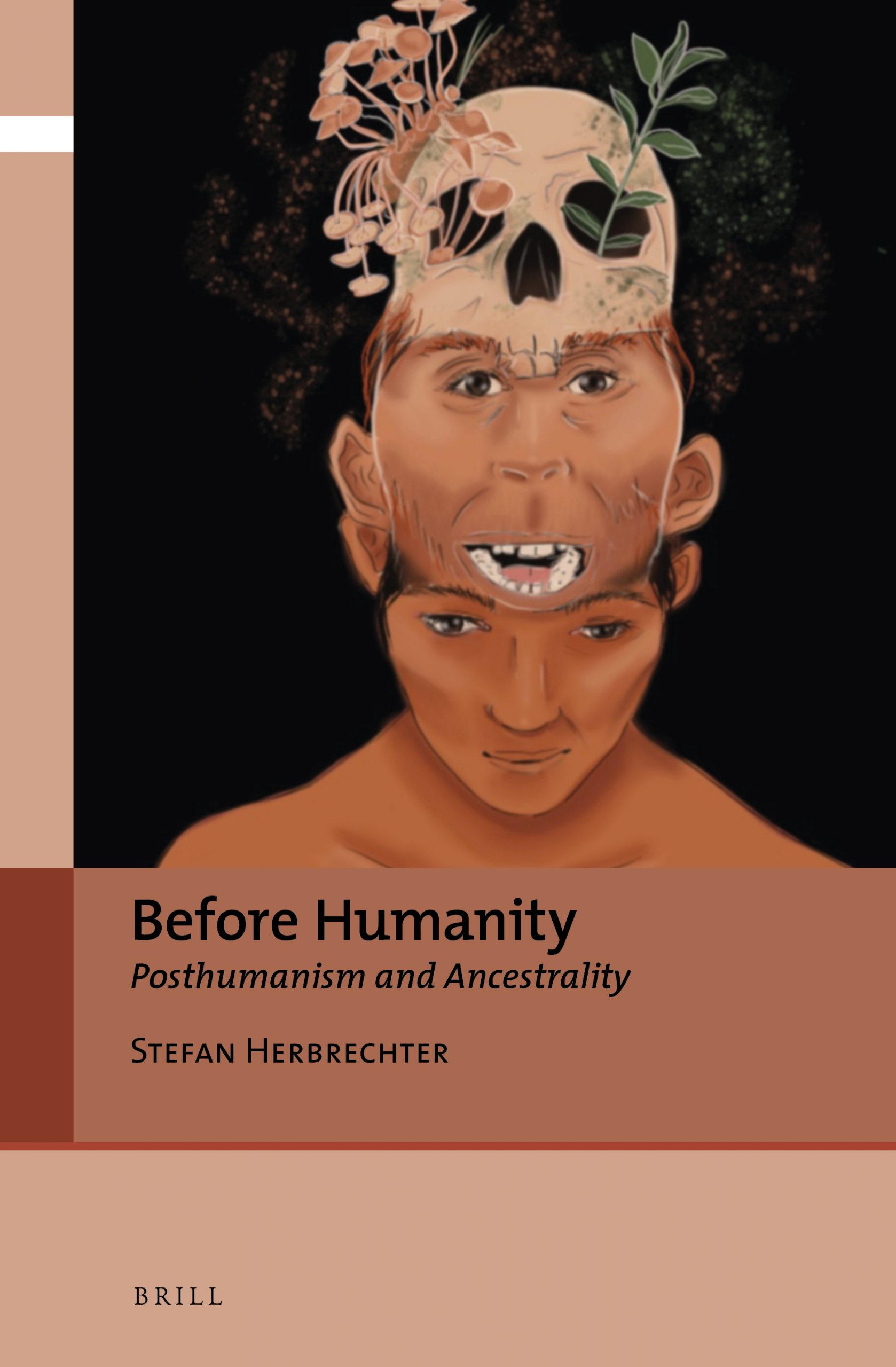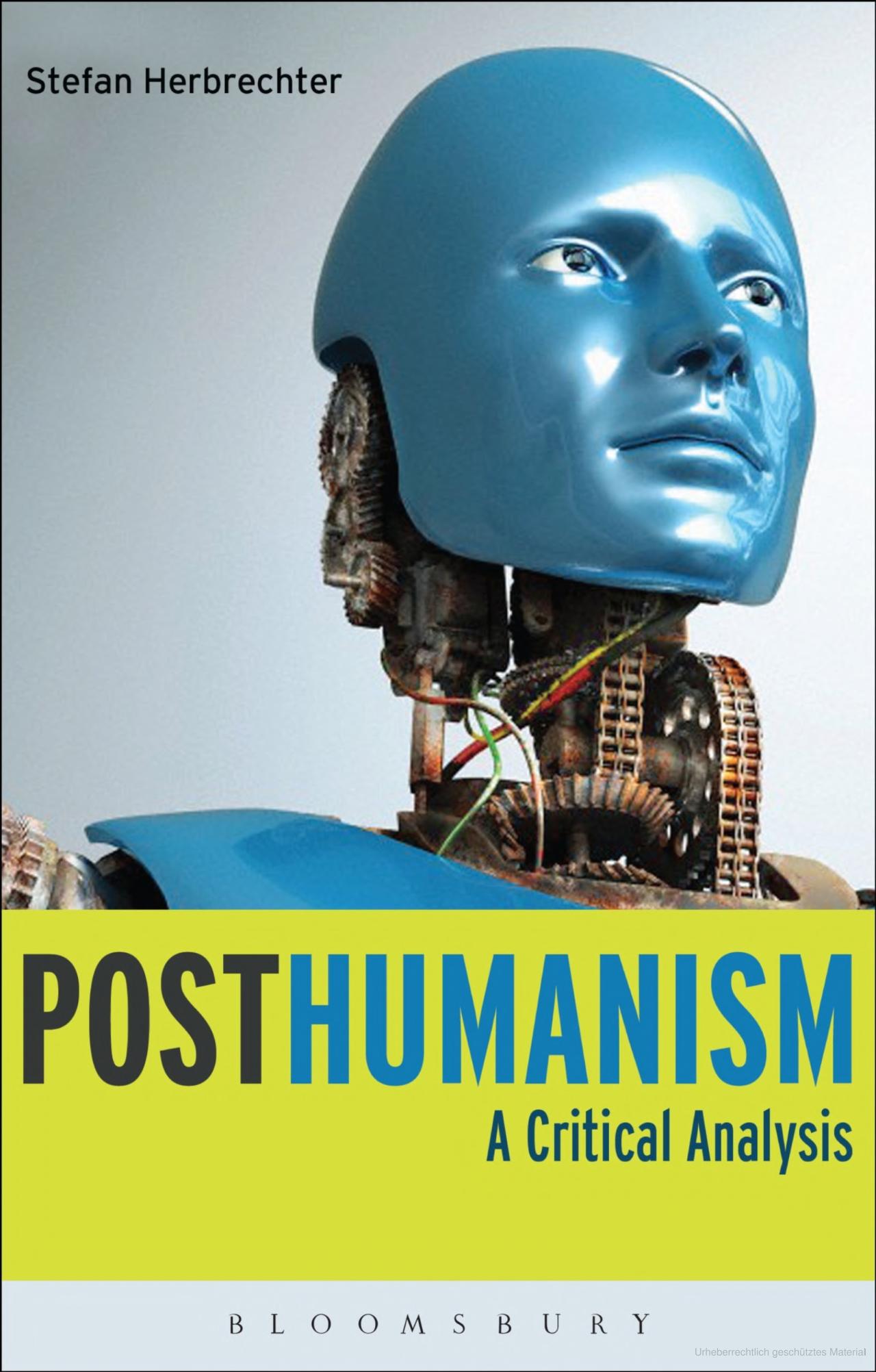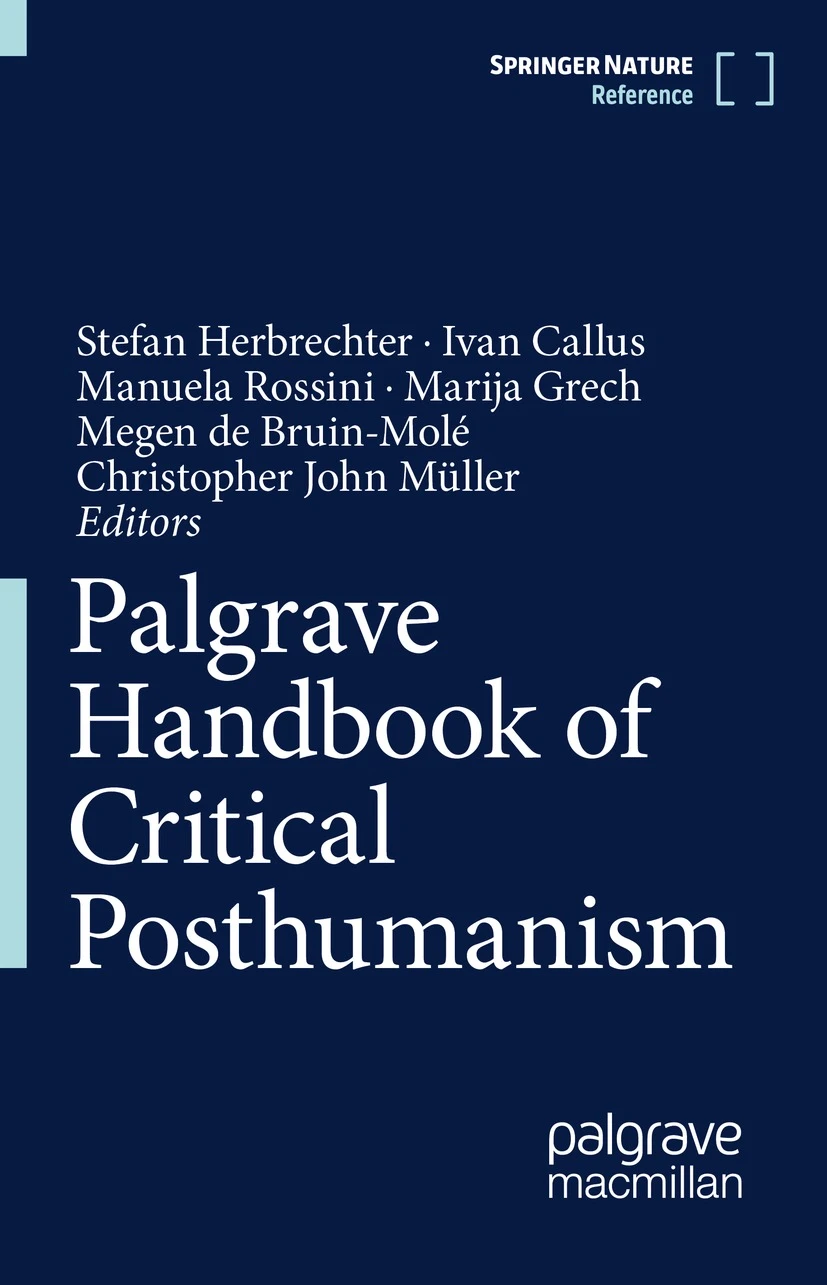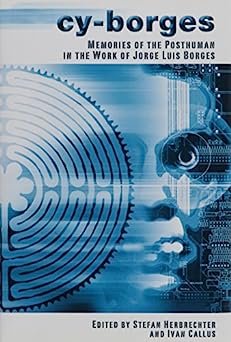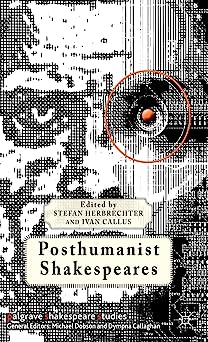
My volumes of Collected Essays on Critical Posthumanism are appearing in the CPH Brill series. The first two volumes contain essays written over the last decade or so (some are republished in updated versions, some are new and here published for the first time).
Volume 1: (Un)Learning to be Human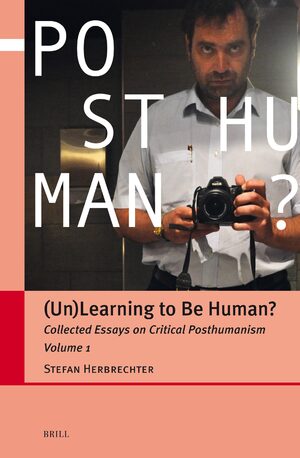
Contents:
The below are pre-publication versions of the chapters:
- Preface – Returning to Critical Posthumanism
- Introduction – Critical Posthumanism – Ten Years On
- Poststructuralism and the End(s) of Humanism
- Posthumanism, Subjectivity, Autobiography
- Rhetoric of the Posthuman
- (Un)ravelling
- Posthumanist education?
- (Un)learning to Be Human
- Originary Mediality, or, Posthumanism Without Technology
- Postfiguration, Or, The Desire for the Posthuman
- Perfectibilities
- Making Humans Better – Posthumanism ‘Beyond’ Violence
- Dehumanisation, or, Humanism Without Humans
- Bibliography
Here is an extract from the conclusion (“Dehumanisation, or, Humanism Without Humans”):
(Un)learning to be human – and I am insisting on the brackets around the ‘un’ – signals the problem that humanism always needs to presuppose some human ‘essence’ that must be defended from dehumanisation while it is precisely this ‘essence’ that always remains humanism’s big secret. Humanism defends something it does not really know, even worse, that is defined in a way that it must remain unknowable. As a discourse that sets out to explain what it means to be human, humanism places the human at its centre as ‘that which remains to be defined’. In fact, in order to keep itself alive, or to legitimate itself as the most powerful, accurate and authoritative source of an eventual answer to this question of ‘what makes us humans human?’ it must do two things at the same time: it must ‘posit’ the human as its ‘object’ of knowledge, while speaking to human ‘subjects’ (in their irreducible plurality and difference) and make them see and agree on what they really are. In order to both see and become what they really are, however, humans need to accept the moral values humanism promotes as ‘natural’ and ‘universal’ (even though they are of course the outcome of a very particular cultural history – a history with quite a few very unsavoury aspects). Humans are thus asked to become what they have always already been, in fact, if they had had the knowledge that they nevertheless had to be ‘taught’ (by humanists). Apart from this obvious tautological reasoning at work here which alone should be enough for some ‘intrinsic’ scepticism there is also the challenge from ‘outside’ so to speak: given the fact that humanism did not emerge within a cultural historical void but in post-Renaissance and colonial Europe the ‘universalism’ of its ‘human nature’ will always have an undertone that will make those humans who were originally the main victims of dehumanisation (women, slaves, non-whites) feel a little ‘uncomfortably’ to say the least.
However, what I mean by (un)learning is not denying the fact that one has to learn (and thus to be taught) to be human even though ‘biologically’ one may be born into this ‘species’, but as we know from paleoanthropology, species including our own have always had somewhat fuzzy edges. Feminists following Simone de Beauvoir will recognise the analogy of this move. We will need narratives that explain humanity outside the dominant humanist versions. This is what CPH is all about. However, (un)learning is also not simply re-learning because there is nothing secure to go back to. We have never been human in the way humanism told us we were or weren’t. Another thing that (un)learning does not mean, however, is that we can be anything we want to be since we have never been what we were told. (Un)learning is not a denial of all those things humans have been and will be responsible for, on the contrary. It is not about giving humans back some form of ‘freedom’ to decide what they want to be, but rather it is a way of finally holding them to account for what they have done – to the planet, to nonhuman others, and themselves. It is a learning process and a process of undoing, at the same time. As a teacher one should never underestimate the educational value of negativity, as long as that does not give in to radical nihilism. This is also not to deny that there are numerous human ‘achievements’ even though being ‘proud’ of them might be somewhat displaced given their costs to humans, nonhumans and the planet. (Un)learning to be human should, however, not be seen as a new form of ‘Promethean’ or indeed ‘Epimethean shame’ in the sense that it may be some form of atonement for ‘our’ sins. It is not meant as a Catholic or religious exercise leading to some piety or sanctity. Nobody cares about the whole planetary quandary we are responsible for but us, humans. As far as (moral) responsibility goes we are the only ones capable of that, if we are really looking for some degree zero of exceptionalism. We need to care precisely because we are the only ones who can and in doing so, we will also start caring more both for ourselves and our selves. However, this should not be taken as a Trumpist call to make humans great again. Far from it, is all about humility, but not meekness.
(Un)learning is thus a process of deconstruction – the deconstruction of humanism – to save the world from humans and humans form themselves. In the rest of this conclusion I would like to briefly sketch some of the implications of the idea of (un)learning to be human as it has informed the individual chapters of this volume and CPH more generally – a very rudimentary roadmap for the immediate future, one might say.